Overcoming PCOD/PCOS is a deal for many women. Sometimes a check-up or irregular periods can lead to a confusing diagnosis: PCOD/PCOS. These two terms are often used interchangeably. They are actually different. PCOD/PCOS represent kinds of hormonal imbalances. Understanding Navigating PCOD/ PCOS is the step to reclaiming your hormonal health and improving your daily life.
What is the difference between PCOD/PCOS?
A lot of people think these two conditions are the same.. They are not. Here is what you need to know:
1.Polycystic Ovarian Disease(PCOD) is a condition that affects your system and lifestyle. It happens when your ovaries release eggs, which turn into cysts. The good news is that PCOD is generally easier to manage with diet and exercise.
2.Polycystic Ovarian Syndrome(PCOS) is a serious condition. It is an endocrine system disorder. In PCOS your ovaries produce many male hormones, which interfere with egg development and release.
What are the common symptoms of PCOD/PCOS?
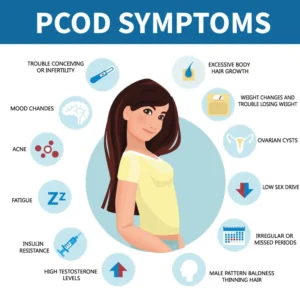
There are some common symptoms to watch out for:
1.Irregular periods: missing periods or having very heavy painful periods.
2. Hair growth:Excess hair is growing on your face, chest or back.
3.Weight Loss: Difficulty in losing weightaround your middle of abdomen.
4.Thinning hair: Male-pattern baldness or general hair thinning.
Explore
How can you manage PCOD and PCOS?
Managing these conditions is not about taking medication; it is about making a holistic change in how you treat your body.
1. Eat a balanced diet: focus on foods that are low in sugar and rich in nutrients. Eat greens, lean proteins and healthy fats. Avoid processed sugars.
2. Exercise regularly: regular exercise helps reduce insulin resistance. Try a mix of strength training and cardiovascular movement like walking or yoga.
.3. Medical help: consult an endocrinologist or gynecologist. They may prescribe contraceptives to regulate your periods metformin to help with insulin sensitivity or fertility treatments if you want to get pregnant.
4.Improving quality of life:It is important when you have PCOD or PCOS. These conditions can take a toll on your health. Stress management is crucial. High stress levels can worsen PCOS symptoms.
5.Get enough sleep: aim for 7-9 hours of quality rest to help your body reset.
6.Join a support group: connecting with others can help you feel less alone.